



Refine Your Search
...
...

19 October, 2026
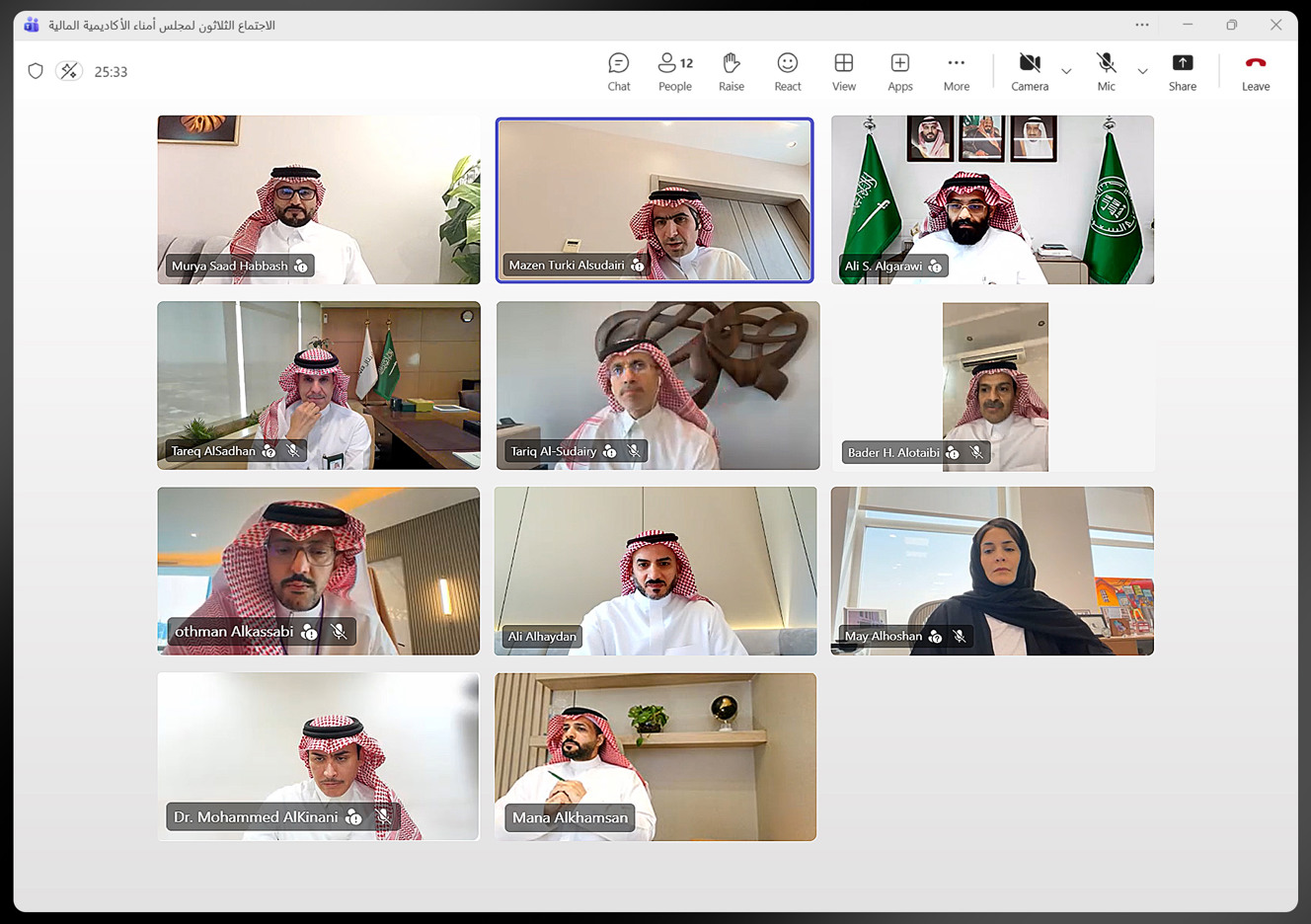
H.E. Mazen bin Turki Al-Sudairi, Chairman of the Board of the Capital Market Authority and Chairman of the Financial Academy Board of Trustees, presided over the 30th meeting of the Financial Academy Board of Trustees on Monday. The meeting was held via video conference in the presence of the Board members, marking the first meeting chaired by H.E. Al-Sudairi since his appointment as Chairman of the Board of Trustees. During the meeting, the Board reviewed the training and development performance report through the end of Q3 2026, and discussed the Financial Academy's performance report for the same period. The Board also examined the quality report and reviewed its key findings. The Board further approved an update to the Financial Academy's strategy and the outcomes of the financial sustainability study for the years 2027–2029, and adopted the necessary resolutions and recommendations on all items listed on the agenda. The meeting reflects the Board of Trustees' role in setting the Academy's general policies, overseeing its strategic direction, and monitoring its performance — thereby reinforcing the Academy's contribution to developing and building human capital in the financial sector, enhancing the readiness of national talent to meet the sector's evolving needs, and supporting the achievement of the Financial Sector Development Program's objectives, one of the key programs under Saudi Vision 2030.
01 October, 2026
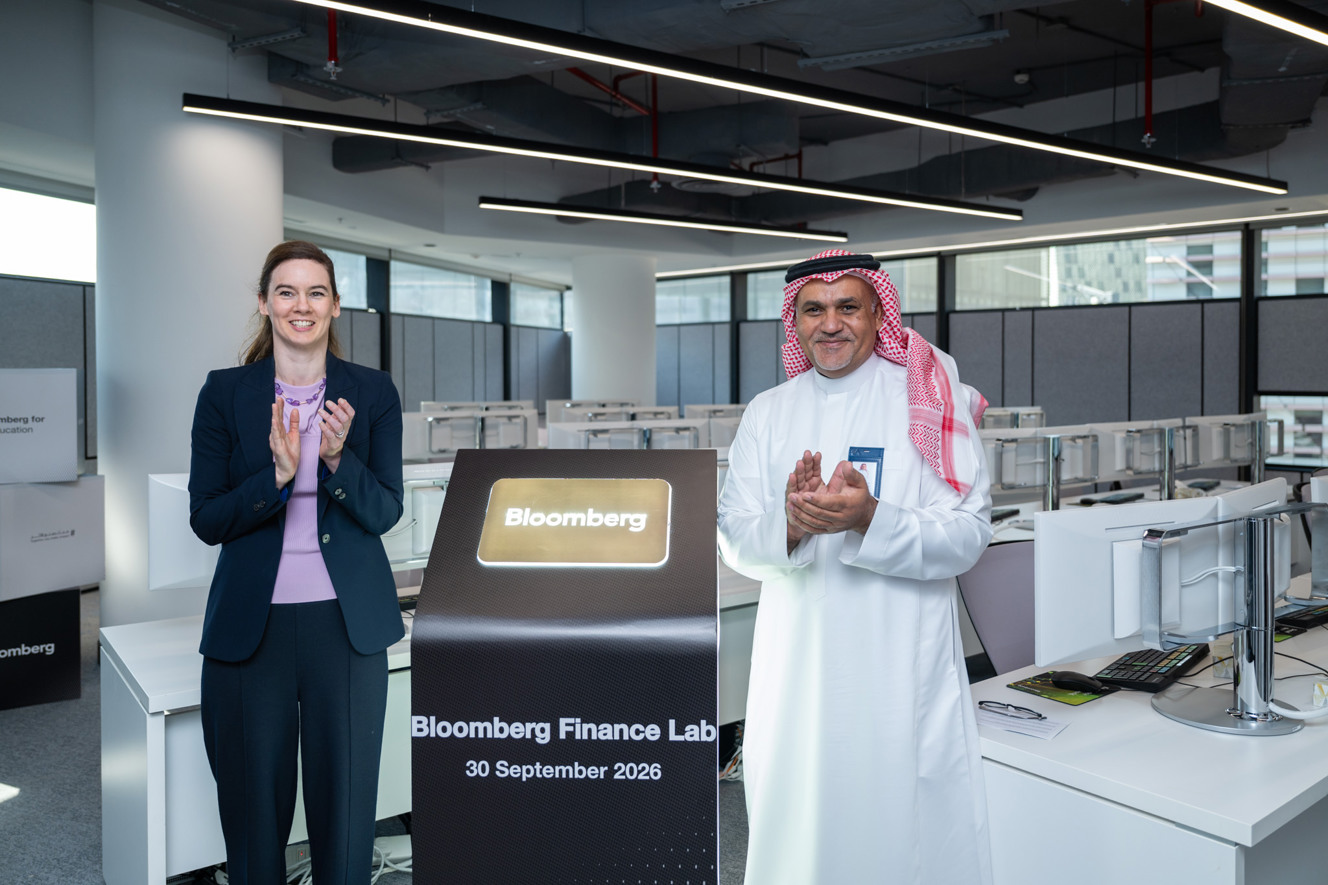
New Bloomberg Finance Lab will provide financial professionals and students with hands-on access to technology, market data and training used across the global financial industry Bloomberg Finance Pathways launches in Saudi Arabia for the first time in the Middle East, extending Bloomberg’s global initiative that connects students with mentors and industry leaders across finance The Financial Academy and Bloomberg today inaugurated the Bloomberg Finance Lab at the Academy’s headquarters in King Abdullah Financial District (KAFD) a nd launched Bloomberg Finance Pathways in Saudi Arabia, giving finance professionals and students in the Kingdom hands-on access to the technology and mentorship used across global financial markets. The launch builds on the m emorandum of understanding signed by The Financial Academy and Bloomberg at the Financial Academy Forum in October 2025. The collaboration supports the Kingdom’s Financial Sector Development Program and Human Capability Development Program, two key initiatives of Saudi Vision 2030. Mohammed Alhamazany, Chief of Capability Development at The Financial Academy, stated that the launch of the Bloomberg Finance Lab, alongside Bloomberg Finance Pathways, represents a qualitative step in empowering national talent and equipping financial sector practitioners with the latest analytical tools, data and learning opportunities. He noted that bridging theoretical knowledge with practical application through specialised global platforms and programmes contributes to developing a new generation of financial competencies and leaders, and supports the Academy’s efforts in human capital development and enhancing the efficiency and sustainability of the financial sector. Bloomberg Finance Pathways’ launch in Saudi Arabia m arks the programme's first expansion into the Middle East, extending its global initiative that connects talented students with mentors and industry leaders across the public and private sectors. Since its inception in 2022, the programme has reached more than 2 , 5 00 students across 1 5 countries, working with a global network of non-profit partners to build participants’ leadership potential and prepare them for careers across the financial sector. Jemma Read, Global Head of Corporate Philanthropy at Bloomberg , said: “The expansion of Bloomberg Finance Pathways into Saudi Arabia marks the programme’s debut in the Middle East and represents the next phase of our commitment to empowering the next generation of financial leaders . By c onnecting students with mentors and ambassadors from the Kingdom's own financial sector , we’re providing them with valuable first-hand industry exposure alongside t he technical skills they'll gain through the Bloomberg Finance Lab.” T he Finance Lab will provide financial professionals with hands-on access to real-time and historical market data, advanced analytics, market-moving news and electronic trading tools. The facility places The Financial Academy alongside more than 1,200 academic institutions worldwide that integrate the same technology, relied upon by leading financial institutions, corporations and policymakers, into their programmes. Participants will receive training on the Bloomberg Terminal and access to e-learning certification courses, including Bloomberg Market Concepts (BMC), alongside modules covering investment, risk and portfolio management. Michelle Bennett, Head of EMEA Terminal Business at Bloomberg , said: We are delighted to work with The Financial Academy in launching the Bloomberg Finance Lab, giving professionals and faculty in Saudi Arabia access to the same tools and insights relied upon by the world's leading finance professionals. Paired with the launch of Bloomberg Finance Pathways, this collaboration will help build the skills and talent needed to grow Saudi Arabia's financial ecosystem . ” The Lab will also integrate Bloomberg for Education into The Financial Academy’s curriculum, supported by dedicated training for faculty members, helping to bridge the gap between classroom learning and industry readiness, while strengthening technical proficiency across Saudi Arabia’s financial sector. The Bloomberg Finance Lab and Bloomberg Finance Pathways form part of Bloomberg’s wider investment in Saudi Arabia, which includes the opening of its new office in KAFD. The collaboration reinforces Bloomberg and The Financial Academy’s shared commitment to developing future-ready financial talent and supporting a competitive, knowledge-based financial ecosystem aligned with international standards. About Bloomberg Bloomberg is a global leader in business and financial information, delivering trusted data, news, and insights that bring transparency, efficiency, and fairness to markets. The company helps connect influential communities across the global financial ecosystem via reliable technology solutions that enable our customers to make more informed decisions and foster better collaboration. For more information, visit Bloomberg.com/company or request a demo . About The Financial Academy The Financial Academy is an entity with an independent legal and administrative identity, organizationally linked to the Chairman of the Board of the Capital Market Authority (CMA). It aims to qualify, develop, and advance human capital in the financial sector by building the knowledge, capabilities, skills, and professional culture of those working within it — including executive leadership and board members of financial sector entities — while also contributing to the development of best professional practices related to the sector. The Financial Academy serves all entities in the financial sector, including banking, finance, insurance, and the capital market. For more information, visit www.fa.gov.sa .
28 September, 2026
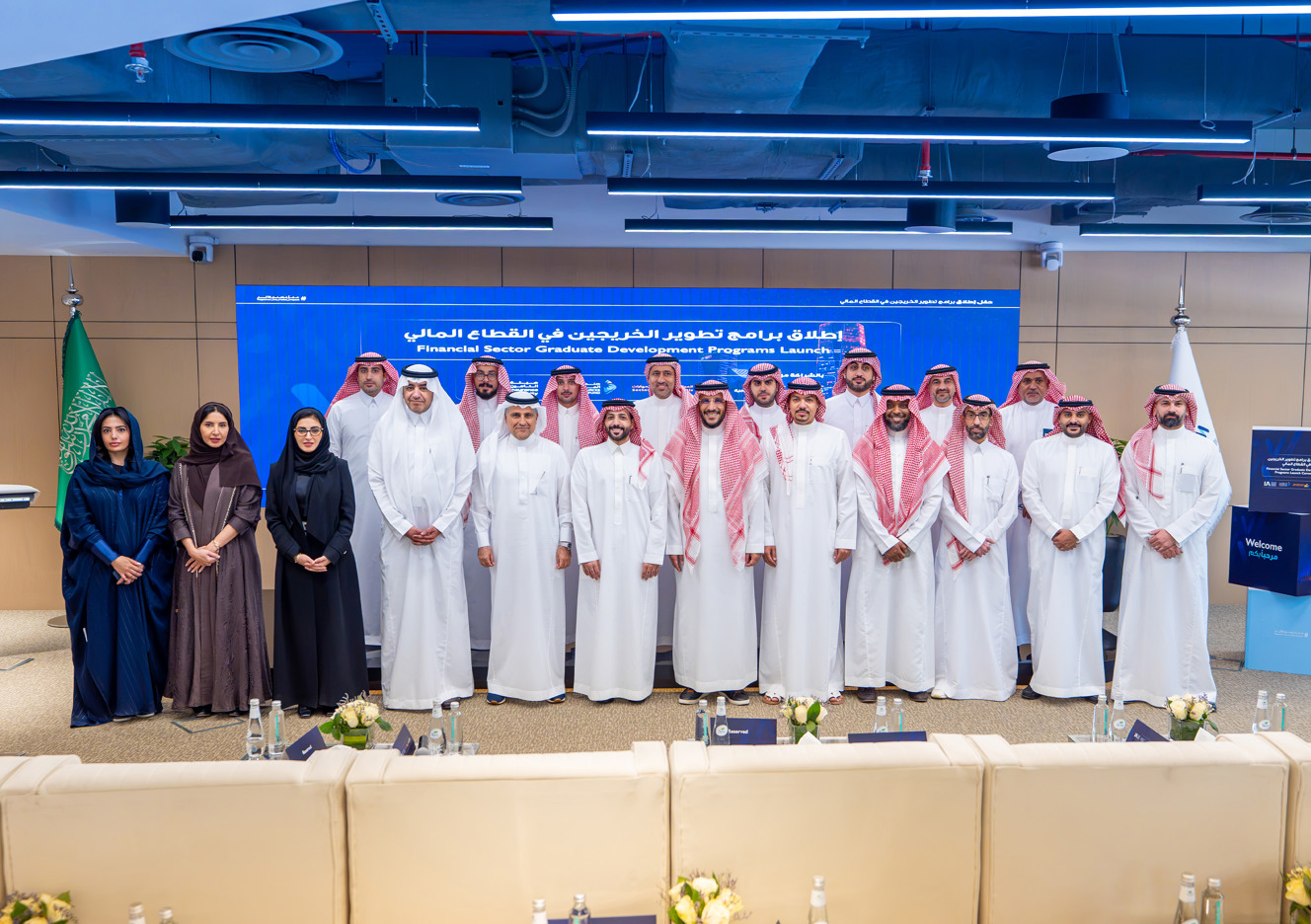
The Financial Academy today, Monday 28 September 2026, launched five specialized training programs targeting the development of graduates in the financial sector, in strategic partnership with the Sectoral Skills Councils and the Human Resources Development Fund (Hadaf), both under the Ministry of Human Resources and Social Development, as well as the Insurance Authority. The launch was held in the presence of a number of sector leaders and representatives from the public and private sectors. The programs aim to qualify more than 125 trainees from recent graduates and equip them with the specialized skills and knowledge required by the financial sector and the labor market in the Kingdom, contributing to the advancement of Saudi Vision 2030 objectives. Mana Alkhamsan, CEO of The Financial Academy, stated that these programs stem from the Academy’s strategic role in developing and advancing human capital in the financial sector, through the adoption of best practices and international standards, and the alignment of its programs with the requirements of the Financial Sector Development Program, with the aim of building a prosperous financial future in the Kingdom. Eman Al-Yami, Secretary-General of the Sectoral Skills Councils at the Ministry of Human Resources and Social Development, explained that this step falls within the package of planned initiatives for 2026 under the Skills Councils for the Financial Services and Insurance sectors. She noted that the initiative aims to empower graduates and refine their skills, providing them with the qualitative experiences that ensure enhanced competency and greater competitiveness for swift integration into the labor market. Abdullah Alsalamah, Chairman of the Financial Services Skills Council and Chief Human Capital Officer at Alinma Bank, stated that this collaboration represents a key pillar in supporting and developing young national talent, by equipping them with practical skills and specialized knowledge that meet the rapidly evolving needs of the banking and financial sector in the Kingdom. The graduate development programs focus on strengthening professional competencies in the areas of securities, corporate banking, and cybersecurity, in addition to insurance and medical insurance claims. About The Financial Academy The Financial Academy is an entity with an independent legal and administrative identity, organizationally linked to the Chairman of the Board of the Capital Market Authority (CMA). It aims to qualify, develop, and advance human capital in the financial sector by building the knowledge, capabilities, skills, and professional culture of those working within it — including executive leadership and board members of financial sector entities — while also contributing to the development of best professional practices related to the sector. The Financial Academy serves all entities in the financial sector, including banking, finance, insurance, and the capital market.
16 September, 2026
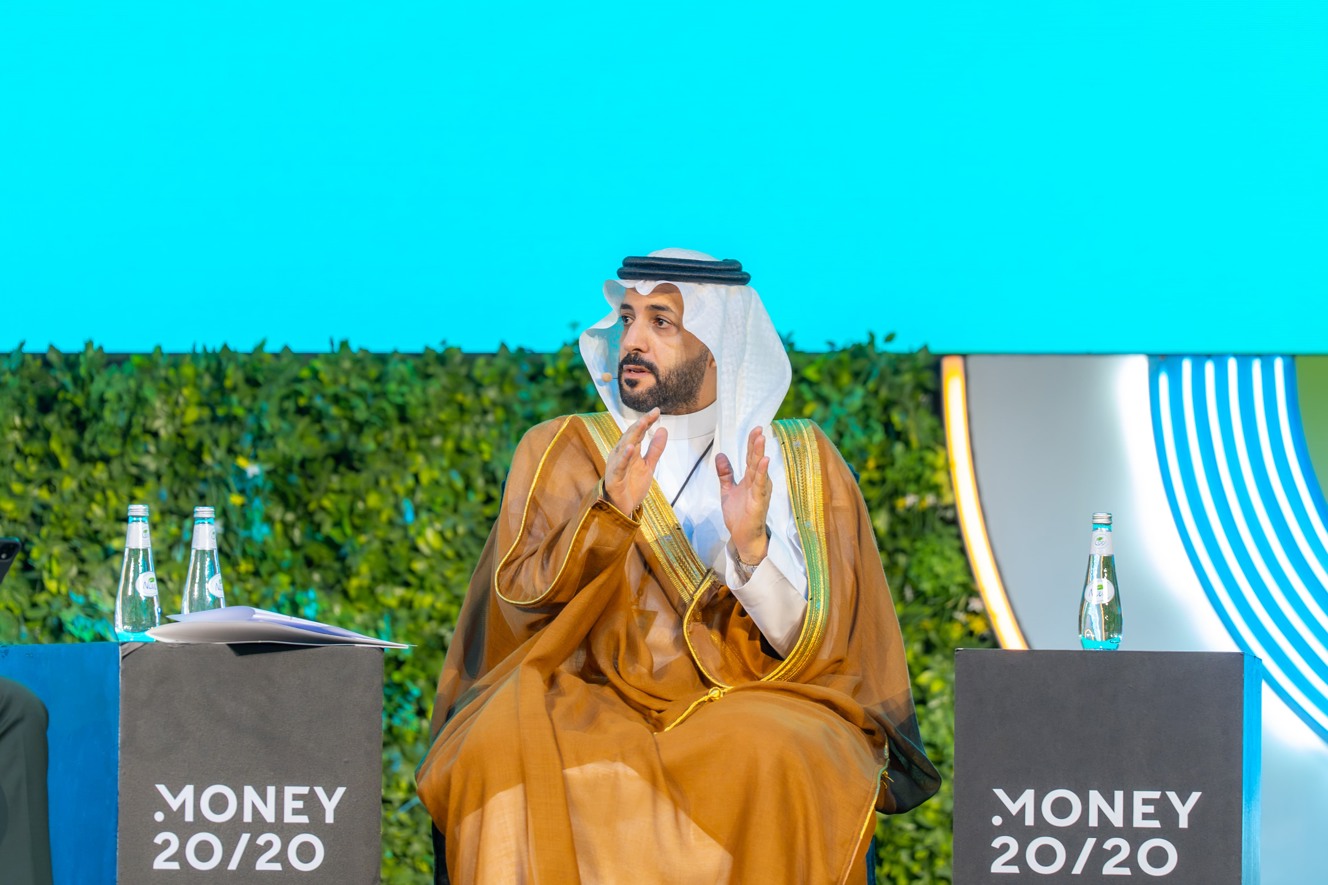
Mr. Mana Al-Khamsan, Chief Executive Officer of The Financial Academy, affirmed that true financial empowerment goes beyond merely providing access to services and products. It is closely tied to the extent to which individuals and professionals possess sufficient knowledge and skills to evaluate their options and avoid risks — ultimately leading to more informed and confident financial decisions. This came during his participation in a panel discussion titled "From Access to Empowerment: Financial Empowerment as Infrastructure," held as part of the Money20/20 Middle East 2026 conference in Riyadh. Al-Khamsan explained that measuring the real impact of financial literacy and development initiatives requires moving beyond conventional metrics such as training hours, passing assessments, or completing programs. He emphasized that the fundamental benchmark for success lies in "tangible behavioral change" — whether through improved personal budget and debt management and enhanced savings habits, or through greater professional effectiveness within the financial ecosystem. He noted that a qualified financial professional bears the responsibility of simplifying complex data and information and translating it into clear, actionable guidance that helps clients identify the most suitable options for their needs and circumstances. He stressed that the ultimate goal is to provide trusted advice rather than focusing solely on driving sales. Al-Khamsan added that keeping pace with rapid changes in financial markets and products requires a firm commitment to continuous learning, alongside efforts to harmonize professional standards and knowledge levels — ensuring a consistent, high-quality level of service and guidance across all financial institutions. He concluded by noting that defining the profile of the "professional of the future" calls for an integrated blend that goes beyond traditional technical knowledge to encompass an understanding of digital technologies and artificial intelligence applications, an awareness of evolving client needs, and adherence to the highest ethical standards and effective communication skills. He pointed out that the impact of training programs is most clearly realized when employees are provided with an enabling work environment that empowers them to apply their newly acquired skills — supported by management that allows for experimentation and learning — making financial development a gateway to outstanding performance and sustainable professional conduct.
16 September, 2026
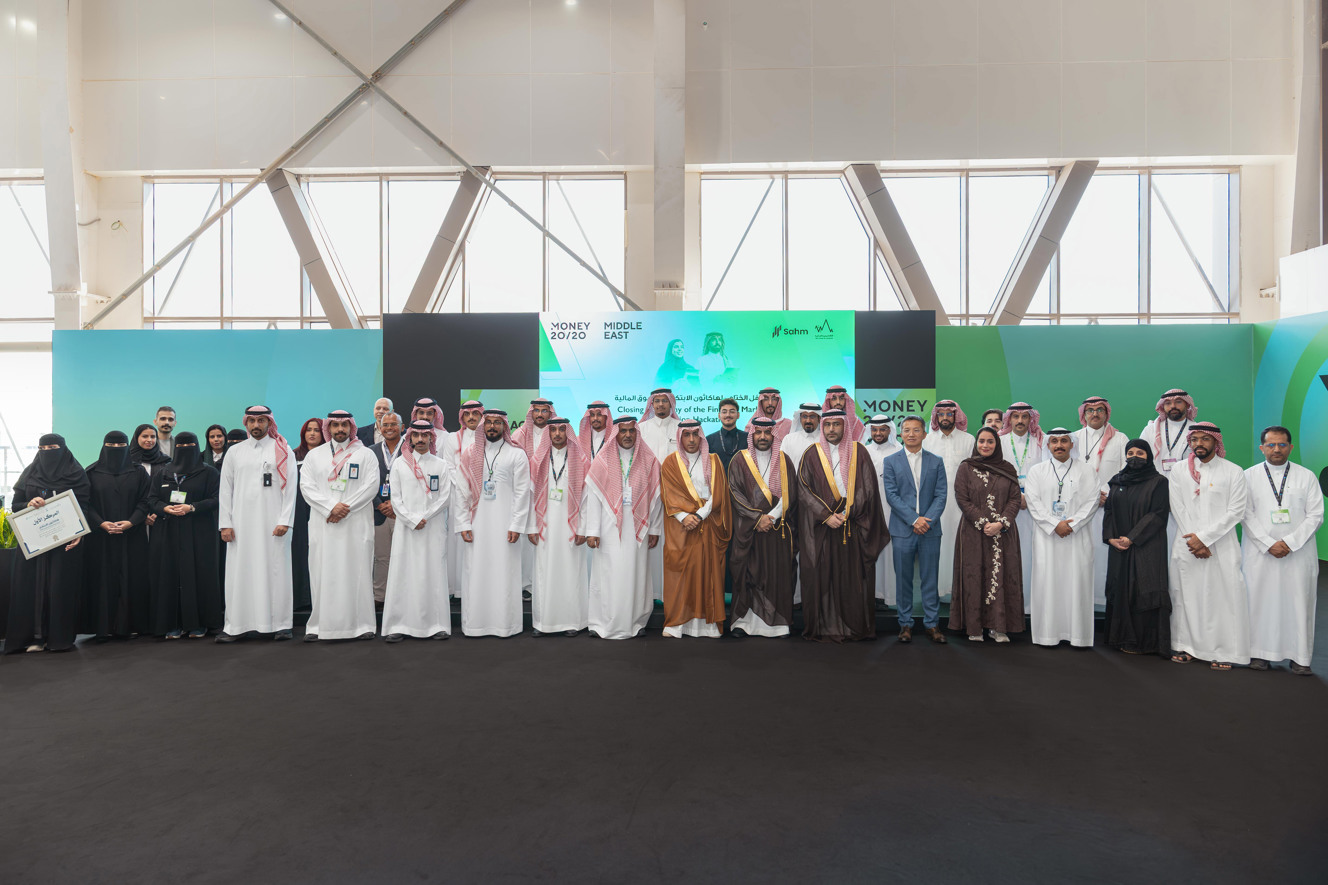
The Financial Academy's active participation in Money20/20 Middle East, held in Riyadh from 14 to 16 September 2026, made a notable impression and generated widespread knowledge momentum — reflecting the Academy's pioneering role as a strategic partner in human capital development and in supporting innovation within the financial sector. This participation was highlighted by the Academy's organization of the "Capital Market Innovation Hackathon," the first of its kind in the Kingdom for its specialized focus on the Saudi capital market. The Hackathon was organized in collaboration with the Capital Market Authority (CMA) and in strategic partnership with Sahm Capital, bringing together developers, data scientists, designers, and finance professionals to develop innovative solutions addressing real challenges in capital markets — in support of financial innovation and in pursuit of Saudi Vision 2030 targets. Since its launch, the Hackathon attracted more than 500 applicants, of whom 60 male and female participants were selected and organized into specialized teams. Twelve innovative ideas advanced to the finals, competing to present promising technology-driven solutions that serve the future of the financial sector. Following evaluation by a judging panel composed of experts and specialists, team "Idraj.Ai" was crowned in first place, team "Hawkam.tech" claimed second place, and team "Floc" came in third. As part of the Academy's collaborative efforts with partners across the financial sector, it delivered awareness sessions through the STC Bank pavilion over the three days of the event, aimed at equipping participants with practical insights and future-ready skills. Day One sessions opened with an exploration of "The Future of the Financial Sector," followed by an overview of "Jobs and Skills 2030" covering promising vacancies and specializations, and a spotlight on modern standards in "Testing and Competency Assessment." Day Two discussions focused on "The Importance of Professional Certifications" in building a specialized career path, the role of "Innovation in the Financial Sector" in driving growth, and the cognitive skills required for making "Smarter Financial Decisions." The awareness activities concluded with sessions on "Readiness and Professional Ethics," key strategies for combating "Financial Fraud," and applications of "Cybersecurity" in safeguarding the integrity and security of digital transactions. The Chief Executive Officer of the Financial Academy, Mr. Mane Al-Khamsan, also participated in a panel discussion titled "From Access to Empowerment: Financial Empowerment as Infrastructure," held as part of the conference's programme. Additionally, the Academy hosted a dedicated exhibition pavilion that drew large numbers of visitors and experts keen to learn about the Academy's latest initiatives and training programs, in alignment with Saudi Vision 2030 targets.
14 September, 2026
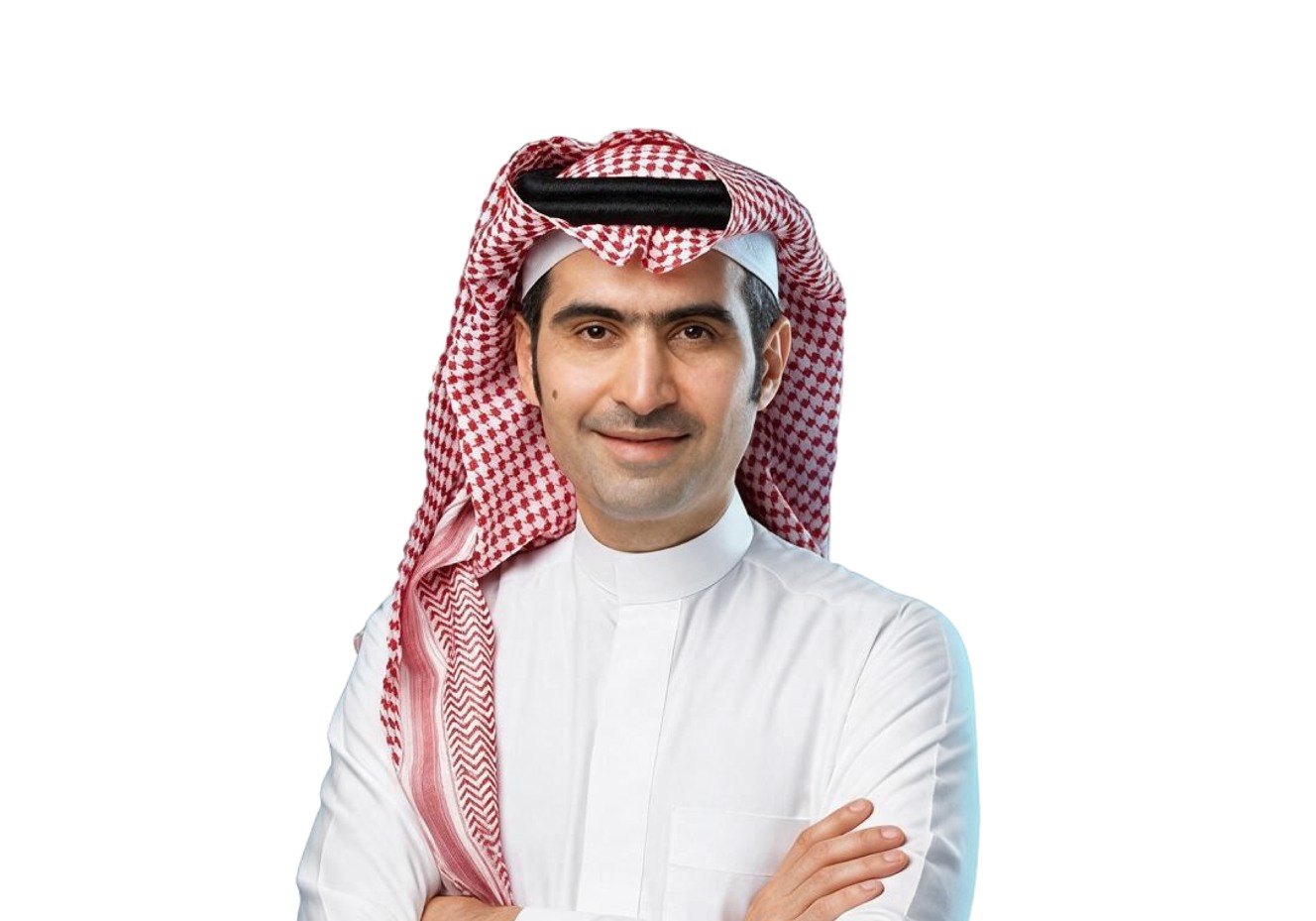
A decision has been issued appointing His Excellency Mr. Mazen bin Turki Al-Sudairi as Chairman of the Board of Trustees of The Financial Academy, succeeding His Excellency Mr. Mohammed ElKuwaiz, following his appointment as Chairman of the Board of the Capital Market Authority (CMA) with the rank of Minister. This appointment is in accordance with The Financial Academy's bylaws, approved by a Council of Ministers resolution, which govern the formation, chairmanship, and competencies of the Board of Trustees. This further reinforces The Financial Academy's role as one of the key enablers of human capital development in the financial sector, supporting the readiness and qualification of national talent to keep pace with the accelerating transformations in financial markets and services — in alignment with the targets of Saudi Vision 2030 and the Financial Sector Development Program. The Board of Trustees serves as the governing authority responsible for overseeing the management of The Financial Academy's affairs, setting its general policies, and supervising its strategic direction — thereby supporting the development of specialized professional initiatives and programs and enhancing the efficiency and sustainability of the Academy's operations in service of the financial sector.

07 September, 2026
The Financial Academy has concluded its active participation as a Knowledge Partner at the Capital Markets Forum (CMF) In Shanghai, delivered under the CMF Select series, powered by Saudi Tadawul Group and held at the Shanghai Stock Exchange (SSE). On the sidelines of the Forum, the Academy hosted a specialized workshop titled "Private Placement in Capital Markets," designed to connect Saudi leadership with global capital market ecosystems, prepare a select group of market leaders to engage more effectively with international markets, and foster networking and relationship-building among financial and banking sector leaders from across different markets. The workshop featured a distinguished lineup of speakers with extensive expertise, including Stephen Chu, Chairman of Saham Capital Global; Faisal Al-Abdulsalam, CEO of Corvign Investment; Mark Wang, expert at S&P China; Jason Jian, specialist in investment banking; and Mohammed Al-Mohammed, Director of the Securities Center at the Financial Academy — all of whom shared insights on the latest trends and investment opportunities in financial markets. The Financial Academy is an independent legal and administrative entity, organizationally linked to the Chairman of the Capital Market Authority Board, with the mandate to qualify, develop, and advance human capital in the financial sector. This is achieved by enhancing the knowledge, capabilities, skills, and professional culture of those working in the sector — including senior executives and board members of financial sector institutions — and by contributing to the development of the best professional practices relevant to the sector. The Academy serves all entities operating in the financial sector, including banking, finance, insurance, and capital markets.
30 July, 2026
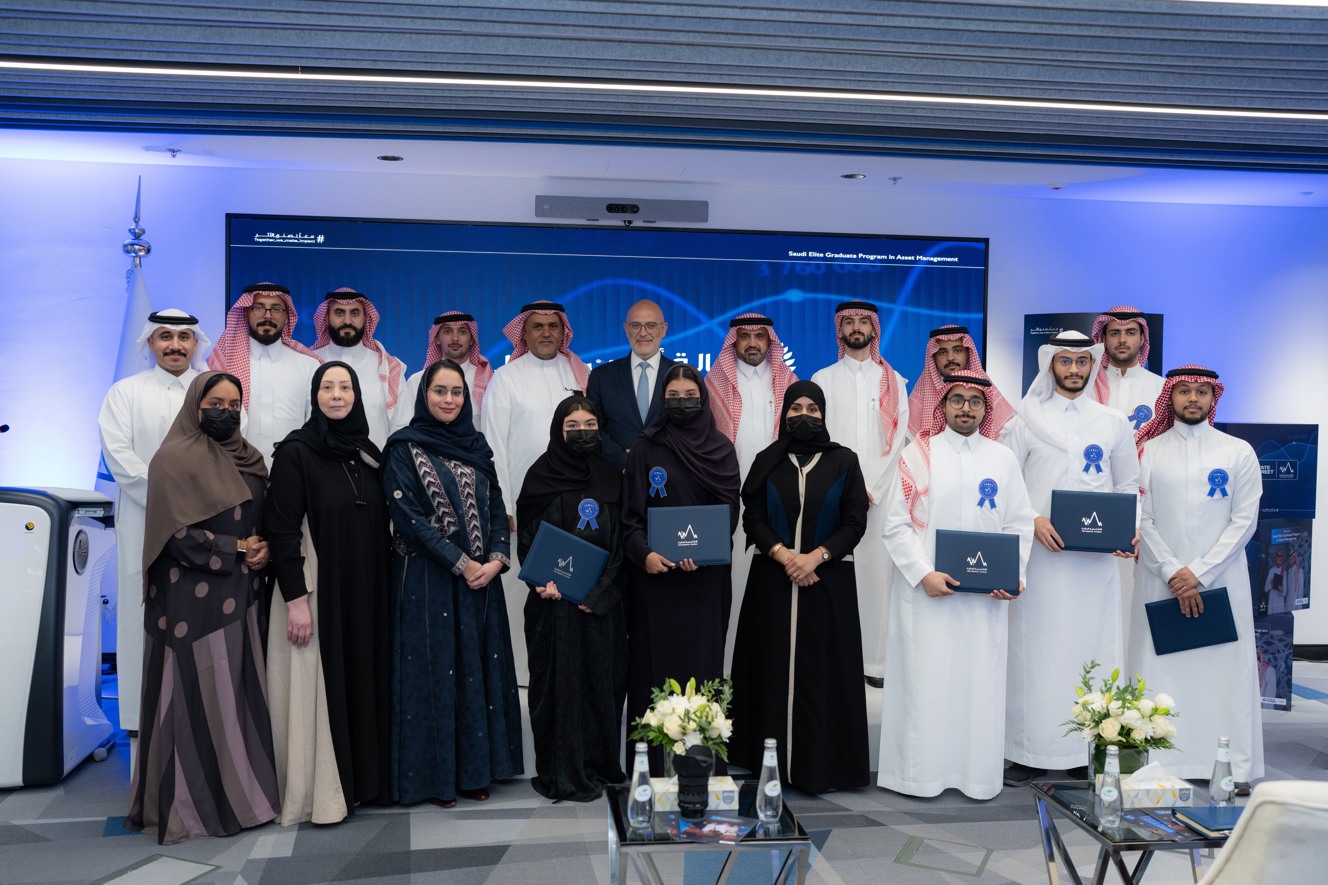
The Financial Academy celebrated the graduation of the first cohort of the Saudi Elite Graduate Program in Asset Management, delivered in partnership with State Street, with the aim of developing highly qualified Saudi talent in asset management by combining local market knowledge with global expertise and hands-on training. The ceremony honored eight graduates, selected from more than 500 applicants. The graduates are: Abdullah Fareed Mohammed Sulaih, Mubarak Mohammed Adi Al-Dosari, Talal Abdullah Hussain Al-Qahtani, Abdullah Mohammed Abdullah Al-Bunyan, Meshari Mohammed Mufreh Al-Surai, Hala Ayman Taher, Alanoud Waleed Al-Halwan, and Badr Mohammed Shabab Al-Buqami. Over the course of an intensive three-month journey, participants progressed from professional and regulatory training in Saudi Arabia to practical training at State Street’s offices in London. The program was designed to transform theoretical knowledge into practical expertise and prepare participants for careers in asset management within leading global institutions. The program consisted of three integrated phases. It began with the “Elite Development” phase, focusing on professional conduct, executive presence, and leadership skills. The second phase, “Regulatory Readiness and Institutional Sustainability,” deepened participants’ understanding of regulations, governance, compliance, and risk management. The final phase, “Professional Asset Management,” provided immersive practical training and real-world application. During the international training phase in London, participants gained hands-on experience across several of State Street’s business areas, including trading and markets, global operations, custody services, transition management, fixed income, quantitative modeling, systematic strategies, capital markets, and exchange-traded funds (ETFs). Working within multidisciplinary teams, participants experienced institutional workflows, learned global best practices, and applied technical knowledge related to portfolio management, asset allocation, and investment analysis in a real-world environment. The program is one of the outcomes of the Financial Academy Forum 2025, during which six strategic initiatives and ten partnership agreements with leading local and international institutions were launched to advance human capital development in the financial sector. The program focuses on developing a comprehensive set of technical and behavioral competencies, including career readiness, professional and leadership presence, high-performance teamwork, the practical application of technical concepts, and the ability to operate with a global institutional mindset while understanding the principles of governance, compliance, and risk management in investment practices. The graduation of the first cohort marks the program’s transition from launch to tangible impact, contributing to the development of a highly qualified pool of Saudi asset management professionals. It strengthens graduates’ readiness to support the growth of the financial sector and meet its future workforce needs, in line with the Financial Academy’s mission to develop and empower human capital in Saudi Arabia’s financial sector.
29 July, 2026
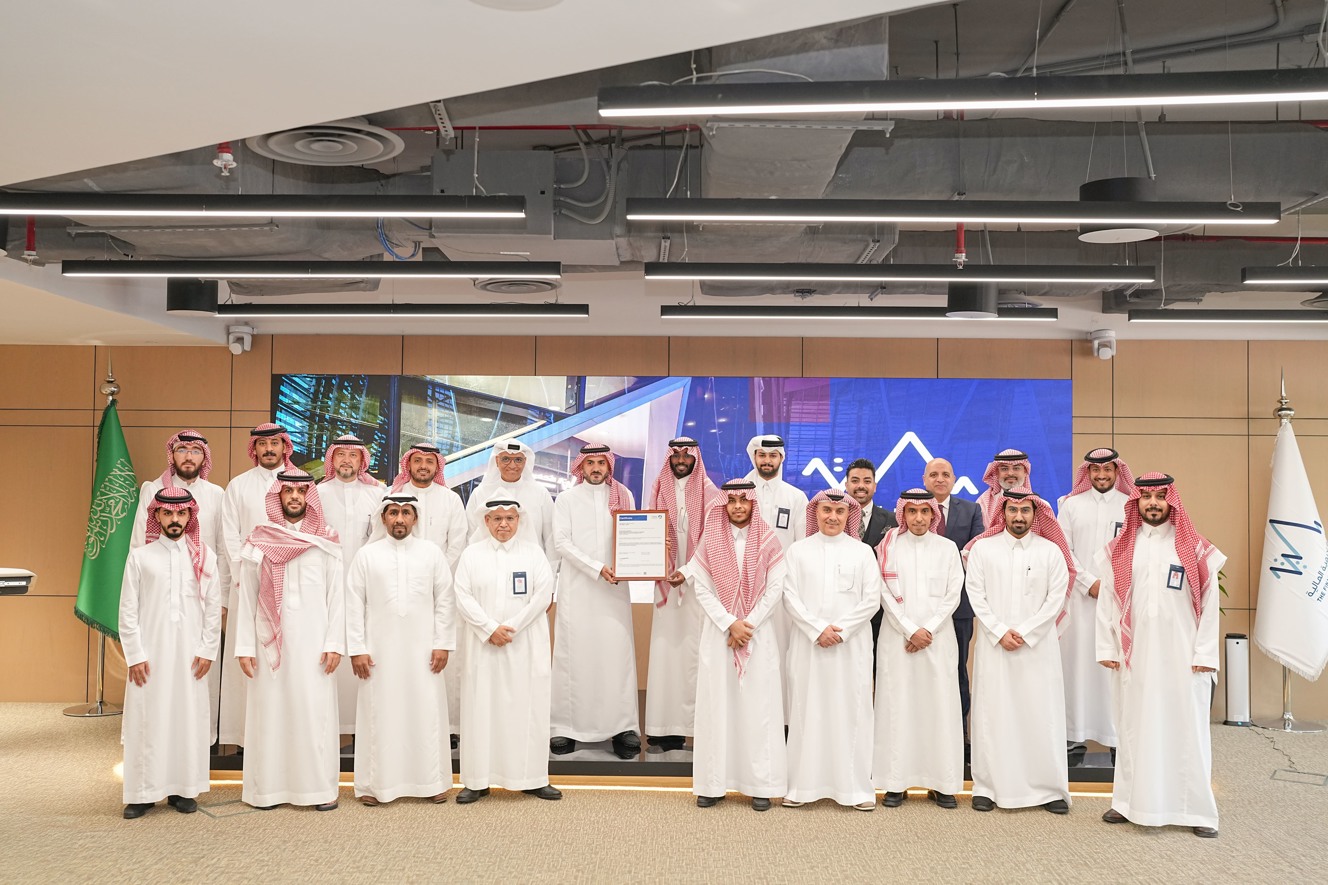
The Financial Academy has been awarded the ISO 10001:2018 certification for guidelines on codes of conduct for customer satisfaction, marking a significant achievement that reflects its commitment to applying global best practices in enhancing the customer experience and establishing an integrated framework that strengthens the quality of its services. This makes the Academy one of the first entities in the Kingdom of Saudi Arabia to receive this international certification. The certificate was received by Mr. Ali Alhaydan, Chief Strategy Officer at the Financial Academy, during a ceremony held at the Academy’s headquarters in Riyadh. The event was attended by representatives of FAHSS, along with a number of Academy employees and professionals interested in quality and institutional excellence. On this occasion, Mr. Ahmed Almuhandis stated that obtaining the ISO 10001:2018 certification reflects the Academy’s ongoing commitment to improving the quality of services provided to its customers. He noted that this recognition is the result of adopting the highest standards of quality and institutional excellence across the Academy’s operations, training initiatives, and professional programs. The Academy received the certification after fulfilling all requirements of the international standard ISO 10001:2018, which provides a framework for developing and implementing codes of conduct related to customer satisfaction. The standard contributes to improving the customer experience and enhancing trust in the services provided. The scope of the certification covers the Academy’s training programs, professional certifications, events, and seminars, confirming the application of customer satisfaction standards across its various services. This certification further supports the Financial Academy’s efforts to strengthen its quality and continuous improvement framework, enhance service efficiency, and advance its role in developing the capabilities of professionals in the financial sector in line with global best practices and international standards.

 Media Room
 News
News