




Refine Your Search
...
...

 Media Room
 News
The Financial Academy Launches "Women in Leadership" Initiative to Support Female Talents in the Financial Sector
News
The Financial Academy Launches "Women in Leadership" Initiative to Support Female Talents in the Financial Sector
Monday, 08 June 2026
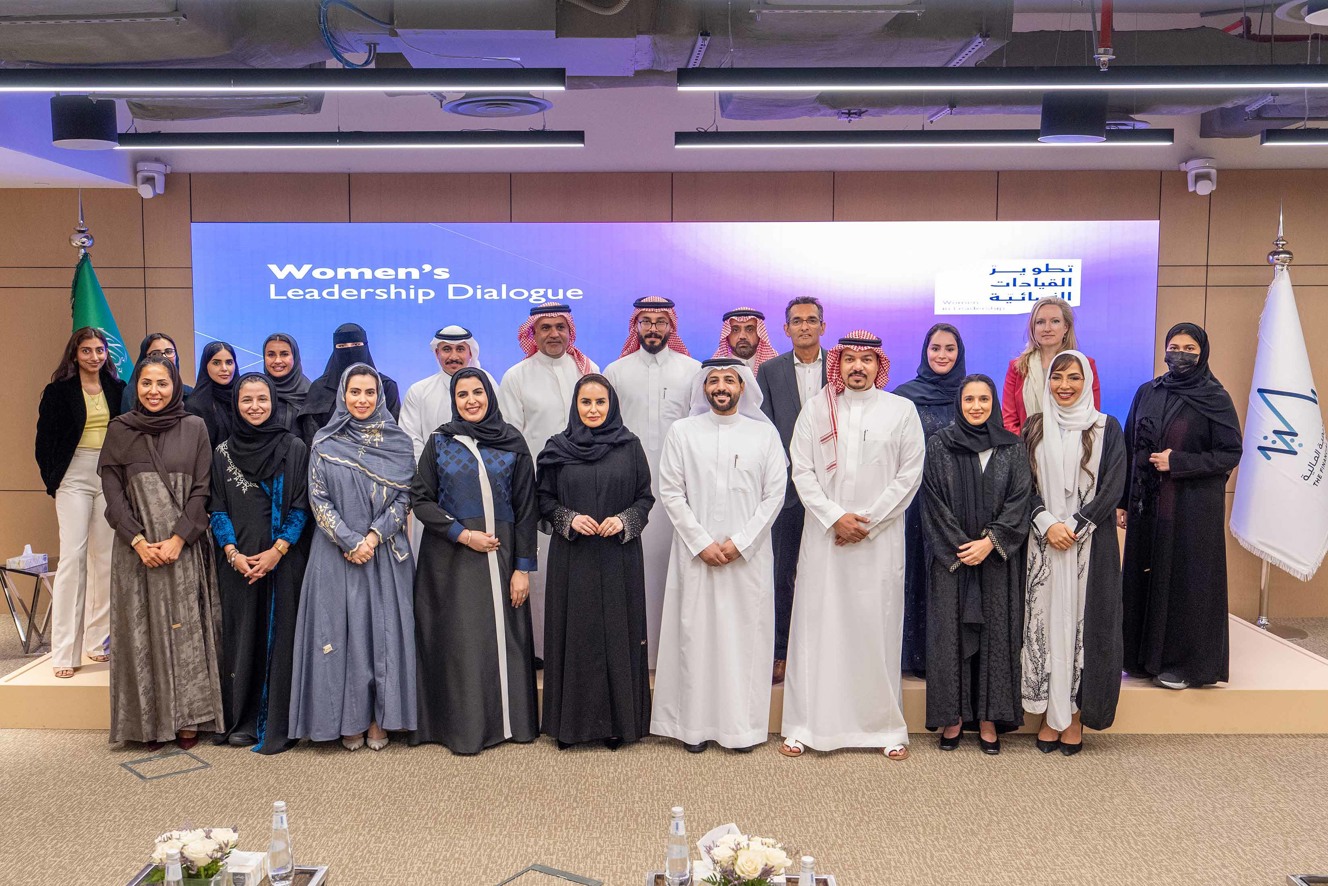
The Financial Academy has launched the "Women in Leadership" initiative, a pioneering national strategic program designed to enhance and develop female leadership across the Kingdom’s financial services ecosystem. The launch took place during a ceremony attended by several female leaders, representatives from regulatory bodies and financial institutions, alongside academic and strategic partners.
The initiative supports the objectives of Saudi Vision 2030 aimed at increasing women's participation in the labor market and boosting the competitiveness and diversity of the national economy. It achieves this by providing an integrated pathway that enables female talents to develop their leadership and professional capabilities, thereby strengthening their presence in executive positions and decision-making roles within the financial sector.
Mr. Mana bin Mohammed Al-Khamsan, CEO of the Financial Academy, explained that the "Women in Leadership" initiative stems from the Academy's belief that building specialized leadership is a key enabler for the sustainable growth and competitiveness of the financial sector. He noted that the upcoming phase demands leaders who possess the capability to make strategic decisions, drive transformation, and create a sustainable institutional impact.
Al-Khamsan added that the initiative was designed in partnership with London Business School and the Governance Center to provide an integrated leadership pathway. This pathway combines executive training, professional mentorship, and qualification for board membership, contributing to preparing qualified female leaders to shape the future across various financial services sectors and reinforcing their presence in executive and decision-making positions.
He further indicated that the initiative targets more than 2,000 female leaders across various financial services sectors. This includes 400 leaders in executive and senior management roles, and 100 candidates for board memberships. This will expand the base of qualified national talents, raise the level of women's leadership representation in the Saudi financial sector, and support the goals of Saudi Vision 2030 and the Financial Sector Development Program.
For her part, Ms. Deemah bin Yahya Al-Yahya, Secretary-General of the Digital Cooperation Organization and Board Member of Saudi National Bank (SNB), emphasized that the Kingdom has moved past the question of women’s participation to a phase of expanding their influence at the highest levels of leadership, decision-making, and governance. She pointed out that women now occupy more than 44% of senior and middle management positions in the Kingdom—a surge of over 50% compared to 2017—highlighting that Saudi women are no longer merely participating in the national economic transformation, but have become its drivers.
Al-Yahya stated that today's challenge is no longer about discovering female talent, but rather about ensuring the availability of leadership pathways that provide them with the necessary experience and opportunities to reach executive positions and board memberships. She noted that while mentorship builds capabilities, professional sponsorship creates opportunities, emphasizing that the financial sector needs leaders who open doors for talents rather than just offering them advice. She added that the question is no longer whether women are ready to lead, but whether our institutions are creating enough pathways to empower this leadership.
It is worth noting that the Financial Academy is a legally and administratively independent entity, organizationally linked to the Chairman of the Board of the Capital Market Authority (CMA). It aims to qualify, cultivate, and develop human resources within the financial sector by enhancing the knowledge, capabilities, skills, and culture of its professionals—including executive management and board members of sector establishments. It also contributes to developing best professional practices relevant to the sector, targeting all entities within the financial ecosystem, including banking, finance, insurance, and the capital market.
